
In accordance with the Communicable Disease Control Act and the Taiwan Centers for Disease Control (Taiwan CDC) Guidelines for Dengue Fever and Chikungunya Prevention and Control,
Following a typhoon, strong winds and heavy rainfall may cause water to accumulate in various containers, drainage ditches, and low-lying areas, while debris may also accumulate and create potential mosquito breeding sites.
Mosquito larvae (commonly known as wrigglers) are often found in stagnant water in buckets, container lids, flowerpot saucers, used tires, tree holes, plastic sheets used for covering objects, and other similar locations. If these areas are not properly cleaned in a timely manner, the risk of mosquito breeding may increase.
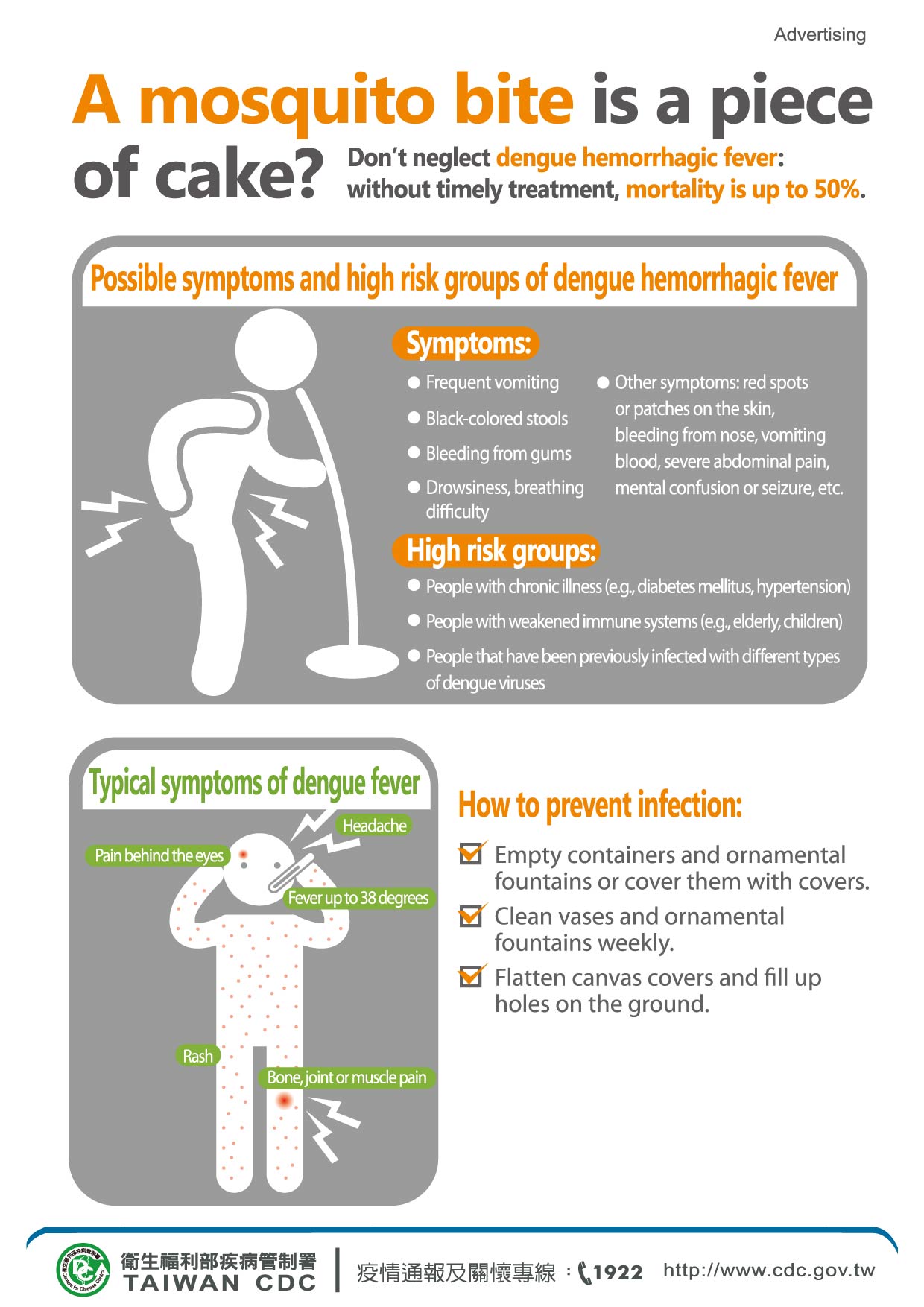
To prevent mosquito breeding and the spread of mosquito-borne diseases, all campus units are required to:
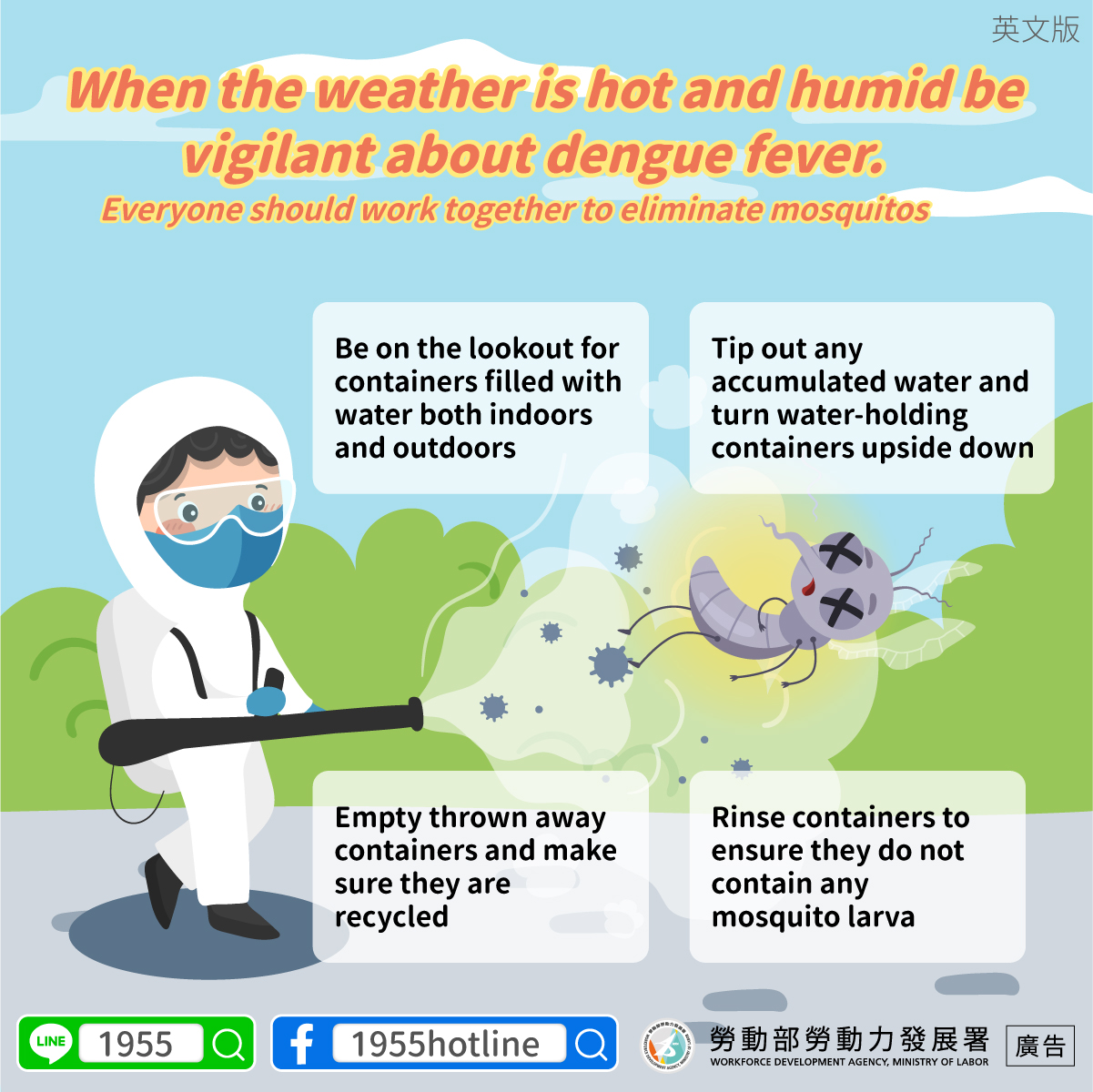
- Conduct post-rainfall environmental inspections to identify potential mosquito breeding sites.
- Regularly remove stagnant water from containers and other areas within their respective areas of responsibility.
- Implement the "Inspect, Empty, Clean, and Scrub" measures to eliminate mosquito breeding sources.
- Strengthen health education and supervision to ensure that all relevant campus management units properly maintain and clean their assigned areas.
Please be reminded that, pursuant to Articles 25 and 70 of the Communicable Disease Control Act, anyone found to have mosquito breeding sources on their premises may be subject to a fine ranging from NT$3,000 to NT$15,000.
Your cooperation in maintaining a clean and mosquito-free campus is greatly appreciated.
Health Services Section, Office of Student Affairs cares about you.